


A Caregiver's Compass
Beyond Aging Parents: Who Else Needs In-Home Care Support
In-home care isn't just for seniors. Life happens — and sometimes the person who needs support at home isn't who you expected.
When most people think about in-home care, they picture an elderly parent. And yes — that's one of the most common situations we support. But the reality is that life doesn't wait for old age before it asks hard things of us. Injuries happen. Illnesses strike in midlife. Veterans come home carrying wounds that don't always show. Children get hurt. Spouses get sick. And suddenly the person who needs care at home is your husband, your child, your sibling — not your parent. This article is for every family navigating that reality.

The Many Faces of Home Care — It's Broader Than You Think
In-home care exists for one reason: someone needs support living safely and comfortably at home, and their existing circle of family and friends can't fully provide it alone. That need doesn't have an age requirement. It doesn't have a specific diagnosis requirement. It applies to anyone whose daily functioning has been affected by injury, illness, surgery, disability, or the aftermath of service.
The skills a great PSW brings — personal care, mobility assistance, meal preparation, medication reminders, companionship, safety monitoring — are just as relevant for a forty-five year old recovering from a serious accident as they are for an eighty year old managing the effects of aging.
What changes is the context. The specific needs. The emotional landscape of the caregiving relationship. But the core of what good in-home care looks like — dignity, respect, skilled support, genuine human connection — that stays the same.
Let's look at who else needs this, and what it looks like for each group.

Recovery From Injury or Surgery — Athletes, Accident Survivors, Workplace Injuries
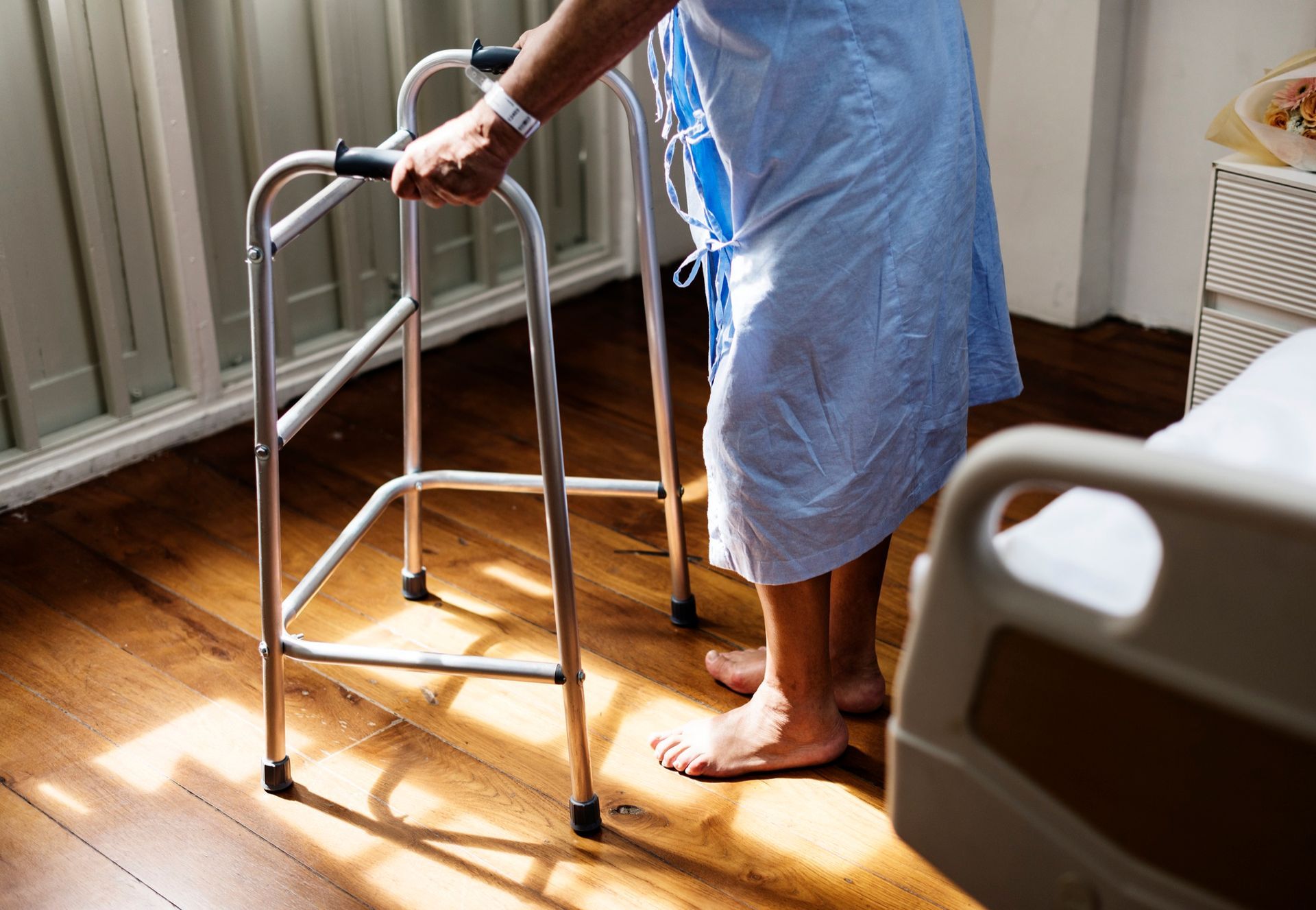
Injuries don't discriminate. A serious car accident, a workplace injury, a sports injury that requires surgery, a fall that breaks a hip at fifty — any of these can suddenly require a level of support at home that the person and their family weren't prepared for.
The typical scenario: Someone who was fully independent is suddenly limited in mobility, unable to drive, unable to bathe without assistance, unable to prepare meals, unable to manage stairs safely. Their spouse is working full time. Their kids are in school. And they're at home, frustrated, in pain, and needing help with things they've done independently for decades.
This is exactly where in-home care fills a critical gap.
A PSW can come in during the recovery period — days, weeks, or months, depending on the injury — and provide hands-on support with personal care, mobility, meal preparation, and light housekeeping. They can help someone transition from hospital to home safely. They can monitor for complications and flag concerns to the family or medical team. And perhaps just as importantly, they provide companionship and morale support during what is often a deeply frustrating and isolating time.
For workplace injuries specifically: If your family member was injured on the job, WSIB — the Workplace Safety and Insurance Board — often covers home care costs during recovery. This is frequently underutilized because families don't know it's available. If your loved one has a WSIB claim, contact the board directly and ask about home care benefits.
For sports injuries in young people: A teenager recovering from a serious sports injury might need support at home during recovery — especially if parents are working and can't be home during the day. In-home care can provide supervision, assistance with mobility and personal care, and support with medications and physiotherapy exercises.
For accident survivors: The road from hospital to full recovery can be long and complex. An in-home care team that's coordinated with the medical team can dramatically improve recovery outcomes — catching complications early, ensuring medications are taken correctly, providing the physical and emotional support that accelerates healing.
Supporting a Spouse or Partner Through Illness — When Your Equal Becomes Dependent
This one is uniquely complicated. When it's your parent who needs care, there's a natural role you step into — the adult child caring for an aging parent. It makes sense. It's expected.
When it's your spouse — your partner, your equal — the dynamic is entirely different. And it's harder in ways that are rarely talked about.
Your spouse gets a serious diagnosis. Or they have a stroke. Or they develop a progressive condition that gradually limits their independence. Suddenly the person you built your life with needs you to help them bathe, dress, and get around. The relationship changes. The power dynamic shifts. Your identity as a couple shifts.
You're grieving the relationship you had while simultaneously trying to be the caregiver they need. You're managing your own fear and grief while showing up as a support. You're trying to maintain some normalcy in the relationship — some sense of partnership and equality — while also helping with deeply personal physical care.
This is hard. It's one of the most emotionally complex caregiving situations there is.
Bringing in professional in-home care in this context does something important: it preserves the relationship. When a PSW handles the personal care — the bathing, the dressing, the toileting — you get to stay in your role as spouse. You can be the one who holds their hand, who watches a movie with them, who talks about your day. You're not exclusively the person who helps them in the bathroom. That distinction matters enormously for the health of the relationship and for your spouse's dignity.
In-home care for a spouse might include:
Personal care support — bathing, dressing, grooming. Mobility assistance — transfers, walking, wheelchair management. Medication management. Meal preparation. Housekeeping that's become impossible. Companionship during the day when you're at work. Overnight support if nighttime needs are significant.
What to watch for as the spousal caregiver:
Your own emotional health is at significant risk in this situation. You're grieving. You're exhausted. You're potentially managing a household, a job, and intense caregiving all at once. The advice in our caregiver burnout article applies fully here. Please read it. Please take it seriously. Please get help.
Veterans and Military Service Members — Unique Needs, Specialized Support
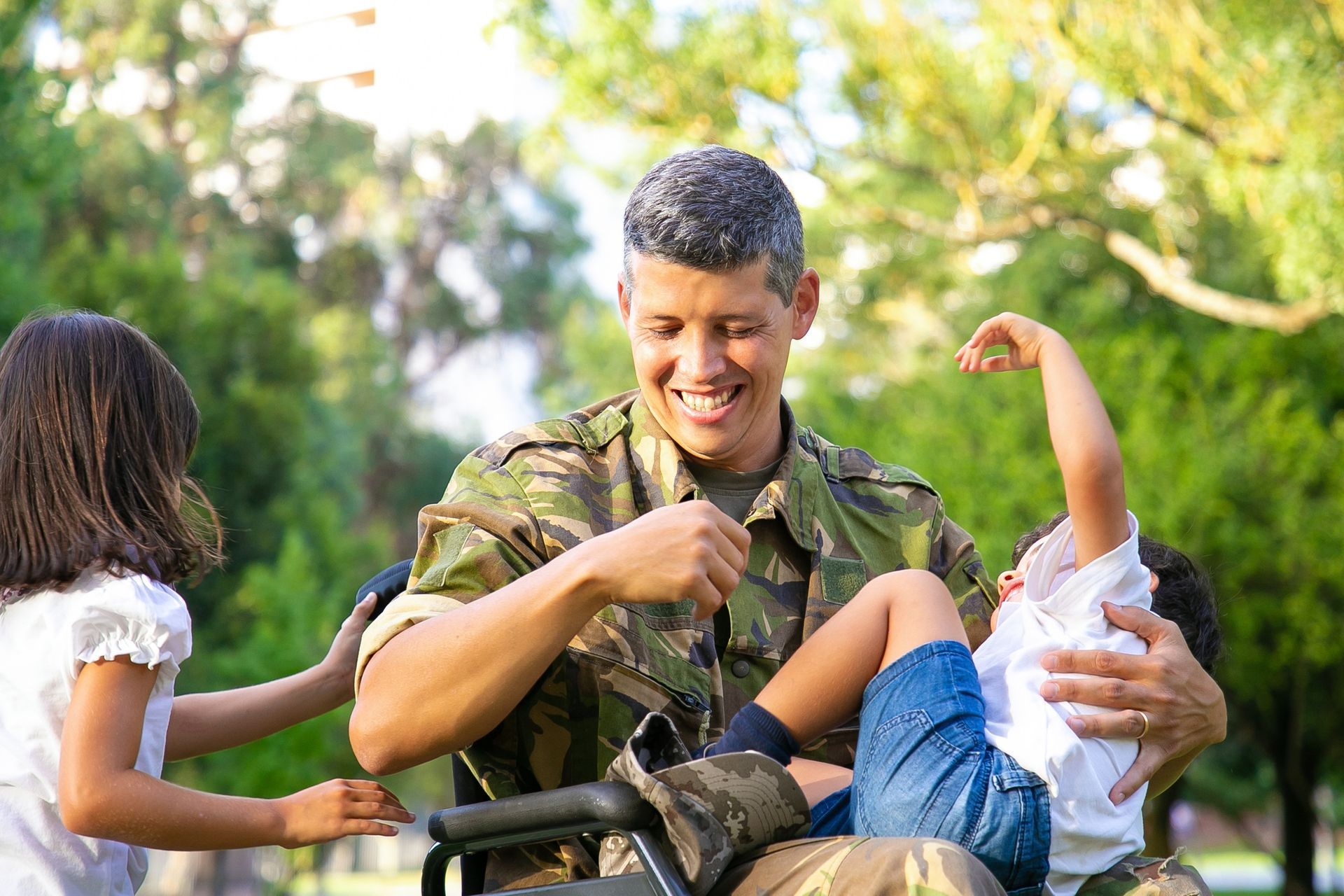
Veterans returning from service — especially those who have been in active combat zones — often carry injuries and conditions that require significant home care support. And yet this is one of the most underserved populations when it comes to accessing that support.
Physical injuries — limb loss, traumatic brain injury, spinal cord injuries, chronic pain conditions — can create significant daily living challenges that require in-home support.
Mental health conditions — PTSD, depression, anxiety, moral injury — affect not just the veteran's wellbeing but their ability to function independently and safely at home. These conditions often coexist with physical injuries, compounding the complexity.
The transition from military to civilian life is itself disorienting. Structure, identity, and community are suddenly gone. The isolation this creates can be dangerous, particularly for veterans already struggling with mental health challenges.
In-home care for veterans isn't just about physical support. It's about showing up consistently, reliably, and with genuine respect for their service and their experience. It's about understanding that a veteran who was conditioned to project strength may find asking for help deeply uncomfortable. Building trust with a veteran client requires patience, respect, and an understanding of military culture.
Veterans Affairs Canada provides significant home care funding for eligible veterans. This includes PSW support, nursing care, housekeeping, and other services — often at no cost to the veteran. If you have a veteran family member who needs home care, contact Veterans Affairs Canada directly. Many families are unaware of the extent of what's covered. Don't leave this support on the table.
What in-home care for a veteran might look like:
Daily personal care support. Mobility assistance for those with physical injuries. Medication management — particularly important given the complexity of medications often prescribed for physical and mental health conditions. Companionship and social connection to combat isolation. Coordination with the medical team managing their ongoing care. And a consistent, reliable presence — because consistency matters enormously for people whose service involved unpredictability and loss.
Young Adults With Chronic Conditions or Disabilities
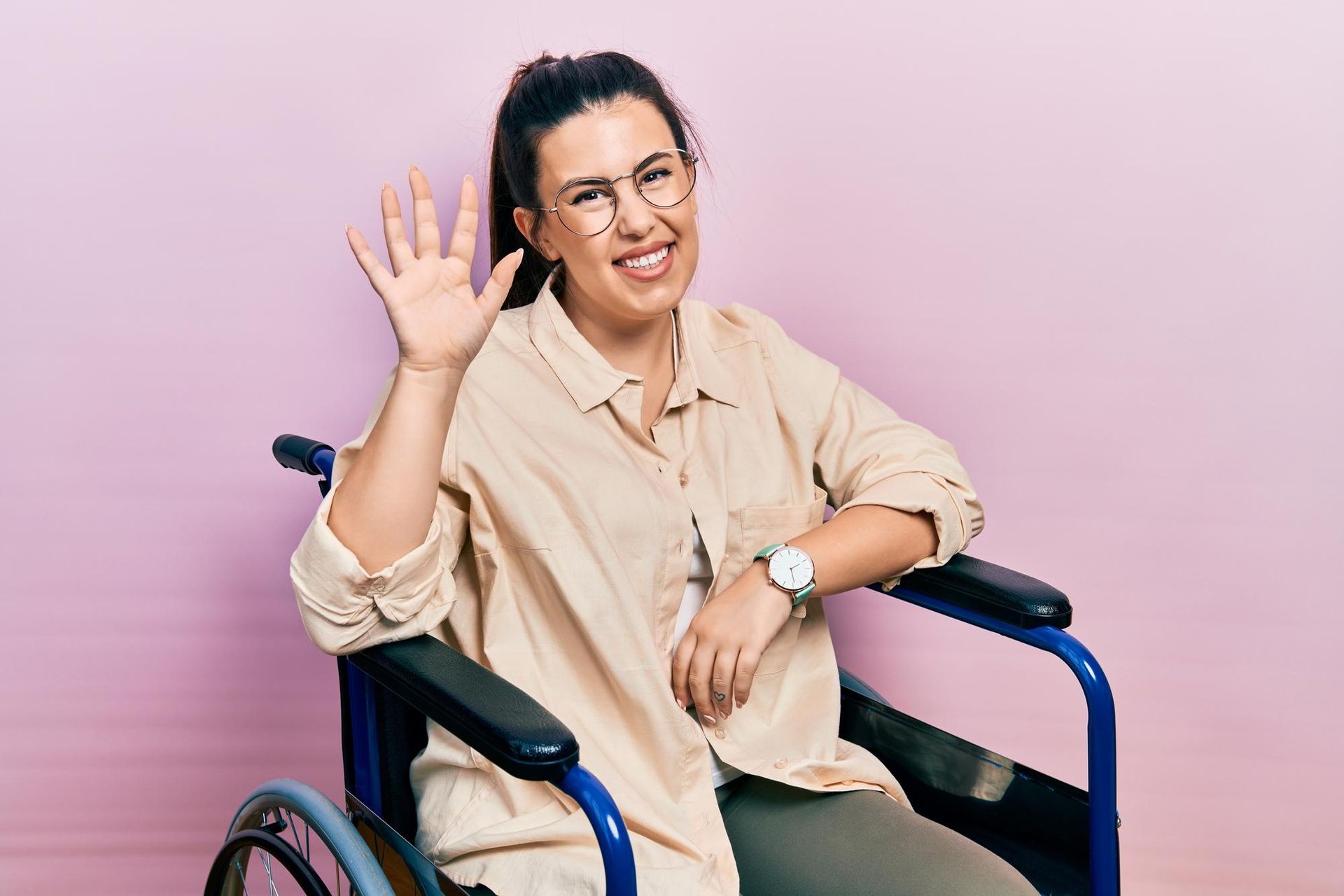
Chronic illness and disability don't wait for retirement age. Multiple sclerosis, cerebral palsy, muscular dystrophy, spinal cord injuries, acquired brain injuries, severe mental health conditions — these affect people of all ages, including young adults who might otherwise be at the beginning of their independent lives.
For a young adult with a chronic condition or disability, in-home care is about supporting independence, not replacing it. The goal is to provide the specific support they need — with the tasks that are genuinely difficult — so they can live as fully and independently as possible.
This requires a particular kind of PSW. One who understands that a twenty-five year old with MS is not the same as an eighty year old with mobility issues. Who respects their autonomy and their goals. Who treats them as a capable adult with a full life to live — not as someone to be managed or pitied.
What this care might look like:
Support with personal care tasks that are physically difficult. Assistance with meal preparation. Help with housekeeping and home management. Transportation support. Medication management. And importantly — flexibility. A young adult with a chronic condition has a social life, a career, goals and ambitions. The care plan needs to work around their life, not the other way around.
Post-Hospital Transitions — Anyone Discharged Who Needs Bridge Care
Here's a situation that affects people of all ages: hospital discharge. You've had surgery. You've had a cardiac event. You've had a serious illness. And now the hospital is discharging you — because medically, you're stable enough to go home. But you're not fully recovered. You're not fully independent. And the gap between "stable enough to leave hospital" and "able to manage at home" can be significant.
This is called a care transition. And it's one of the most dangerous periods in a person's recovery, because falls, medication errors, and complications are all more likely to happen in the days and weeks immediately following hospital discharge.
In-home care during this transition period dramatically improves outcomes. A PSW or nurse coming in daily in the first week or two after discharge can catch complications early, ensure medications are being managed correctly, assist with personal care and mobility during the most vulnerable period, and provide the monitoring and support that prevents a return trip to the hospital.
This applies to everyone — a sixty year old recovering from hip replacement, a thirty-five year old recovering from abdominal surgery, a teenager who's had a serious sports injury addressed surgically. The transition from hospital to home is a vulnerable period for anyone. Bridge care makes it safer.
If a family member is being discharged from hospital:
Ask the discharge planner specifically about home care options. In Ontario, hospital discharge often triggers an Ontario Health atHome assessment, which can arrange publicly funded home care for the transition period. For faster access or additional support, private home care can be arranged quickly — often within twenty-four to forty-eight hours of a call to an agency like SLR Homecare.
Don't assume they'll be fine because the hospital said they could go home. Be proactive. Get support in place before they're discharged if possible.
The Common Thread — Care With Dignity, Regardless of Age or Circumstance
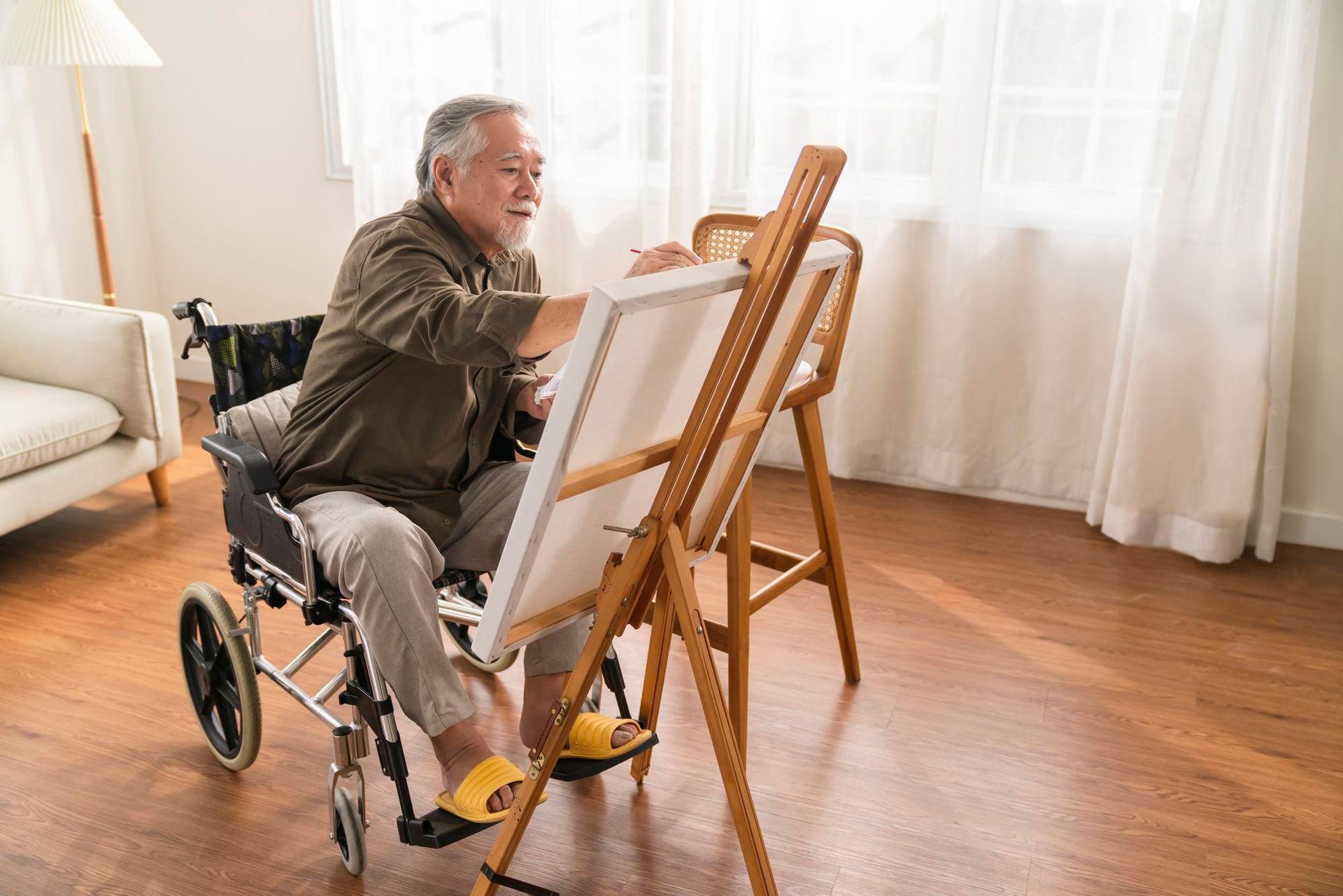
Whether it's an aging parent, a spouse managing a serious illness, a veteran carrying the wounds of service, a young adult with a chronic condition, or anyone in between — the heart of good in-home care is the same.
It's showing up consistently. It's treating the person as a full human being with preferences, dignity, and worth. It's doing the tasks that need doing with skill and care. It's noticing when something is off and communicating it. It's being a presence that makes someone's day a little safer, a little easier, and a little less lonely.
At SLR Homecare, we believe that everyone who needs care at home deserves that quality of support — regardless of their age, their diagnosis, or their circumstances. Because needing help doesn't diminish anyone. And receiving it, from someone who genuinely cares, can change everything.
Does someone in your life need in-home support — whether they're a senior, a veteran, a spouse, or anyone in between? SLR Homecare is here to help. Reach out today and let's talk about what the right support looks like for your family.
Follow Us / be the first to know
A Caregiver's Compass